
Living at University with IBD
Living at University with IBD can be very daunting, especially if you're very used to living at home with your parents, near your doctors and having a nice comfortable room for when you are in a flare up.
Lucy Harman
9/23/20216 min read
Living at University with IBD
Lucy Harman | Sept 23 2021 | 7 min read


Living at University with IBD can be very daunting, especially if you're very used to living at home with your parents, near your doctors and having a nice comfortable room for when you are in a flare up. There's no doubt that living in shared accommodation is definitely an interesting experience, for some it's exactly what they want, but it doesn't suit everyone. When I started Uni in September of 2020 I didn't have Crohn's Disease, I was incredibly fit and healthy, it was only in the middle of the 1st semester that I started getting symptoms and then at the end of the 1st Term I was diagnosed. I am now in my 2nd year of uni and have experienced Crohn's in both shared accommodation and in my own privately rented place.
I am creating a series with Blogs, Videos and Instagram posts about University with IBD in which I document my experience and advice for students. Check out my upcoming blogs, posts and videos on how I access treatment and medication, How I cope at Drama School and advice for new 1st years.
Living in shared accommodation at Uni can be difficult with IBD for a range of reasons but it is definitely possible and still enjoyable. Living in flats in 1st year Uni is extremely helpful as it allows you to socialise and get involved with as much as you can with extra-curricular. There is a large stigma around IBD and often people won't know the full extent to it, so if you can contact your flat mates before you move in and chat to them about your disease it can break down that barrier earlier on and make things less awkward when you actually get there. I found that my flat mates were incredible when I was diagnosed and were so caring and understanding, they didn't treat me any differently, they just made sure to keep an eye on me more (Kinda like a uni parent). When I moved back in after my diagnosis they ensured to keep the kitchen clean for my safety and I had my own section of the fridge for liquid feeds and injections. However, I do know that not all flat mates will be this kind, and so if you do move in and feel as though you don't feel comfortable with your Crohn's around them, make sure to contact your university and see if you could move flats.
One problem with living in shared accommodation is that people go out and get colds and if you are immunosuppressed this can be a little dangerous. To be as safe as you can I would ensure to get your flu jab as soon as possible every year, take multi vitamins and keep your flat very clean to prevent any bacteria or mould build up. The one week I would avoid going out to parties and socialising with large groups of people is freshers week, there are students coming from all over the world with a magnitude of different colds and viruses, and eveyrones spreads them around. Freshers flu is real and its gross, non immunosuppressed people struggle to get over it so us IBD fighters would be even worse. I would avoid it at all costs! However, to ensure you still get involved and aren't left out, make sure to sign up to societies and be active on social media group chats so when freshers is over you can go out with them and still be sociable.



Finding “Your People” Who Truly Get It
No matter how much your loved ones care, there’s something uniquely comforting about connecting with people who truly understand what living with IBD feels like. For me, that meant diving into online communities and local support groups. Suddenly, my symptoms felt normal and wasn’t “weird” or “too much”—I was surrounded by people who had walked the same path.
One of the biggest game-changers for me was hearing their tips and stories. I learned how they coped with bad days, handled awkward social situations, or even dealt with doctors who didn’t always take their symptoms seriously. These connections weren’t just practical—they were empowering.
The one thing I did learn the hard way was that often the only people who look for help on support groups are in a lot of pain and so tend to be pretty pessimistic, it can be helpful but also can be harmful, so remember just because all you see is horror stories on forums, that does not mean that is your future, all the people in remission or coping well are living their lives, not on Facebook.
If you haven’t explored support groups yet, give them a try. Even if you’re not ready to share, just listening to others can be healing.
The Magic of Meeting People in Person
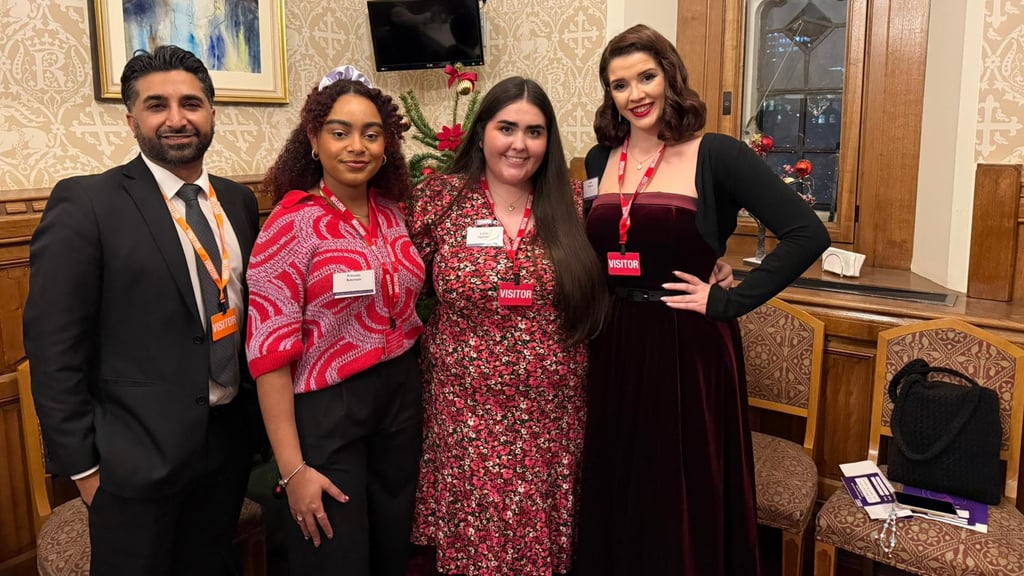
Meeting someone face-to-face who shares your journey is a powerful experience. For me, it took 4 years before I met someone with IBD that wasn't in a hospital that was my age. I’d never had a conversation with someone who fully understood the challenges of living with IBD. Until I went to a Crohn's and Colitis UK Event in the House of Commons. I met Nish, Scarlett, and Princess. For the first time, I wasn’t the only person in the room worrying about medication side effects or planning my day flare ups. These were people who had walked the same path, faced the same struggles, and—most importantly—knew how to find humor and hope in the journey. That day, I realized the true power of finding your community. that moment, I felt seen in a way I hadn’t before.
In-person support groups and events give you a chance to build those kinds of connections. There’s something special about sitting across from someone who nods knowingly as you describe your symptoms or laughs with you about the awkward realities of life with IBD. It’s not just about sharing advice—it’s about feeling less alone.
If you’ve never attended an in-person group, I encourage you to take the leap. Whether it’s a local meet-up, a charity event, or even a conference, you might just find your own Nish, Scarlett, and Princess.
The Role of Healthcare Teams
Let’s talk about doctors for a minute. Finding the right gastroenterologist felt like speed dating for me. Some didn’t really listen, while others overwhelmed me with too much information. But when I finally found a doctor who not only explained things clearly but also genuinely cared about my mental health, everything changed - sadly that is a permanent doctor for me, it was my surgeon who I don't get to see anymore. But that did show me how LOW my standards of care from doctors had gotten.
Your healthcare team should feel like an extension of your support system. And don’t hesitate to advocate for yourself—whether that’s asking for a second opinion or pushing for a referral to a dietitian or therapist who specialises in chronic illness.
A Support System That Grows With You
Over time, I’ve learned that a support system isn’t static—it evolves. At first, I leaned heavily on my family. Later, I found strength in the IBD community. And as I became more comfortable managing my symptoms, I started advocating for myself and finding confidence in my own abilities.
Everyone’s journey is different, but one thing is universal: you don’t have to face this alone. Whether it’s a text from a friend, advice from a fellow warrior, or a thoughtful check-in from your doctor, support can come in many forms.
Living with IBD is a marathon, but with the right people by your side, every mile feels a little more manageable. You’ve got this—and you’re never alone in the journey.


My experience of shared accommodation and advice
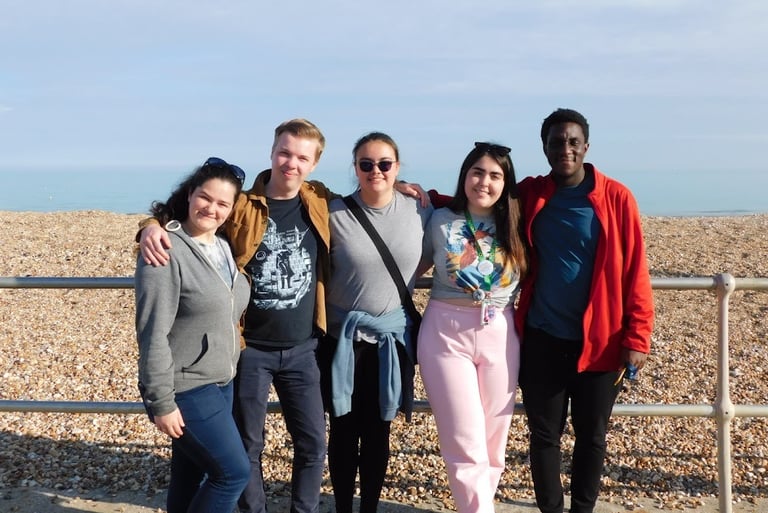

Some photos from my time performing at Drama School in HONK! and Bad Girls the Musical
(Photography by Andrew Worsfold & Kasia Kasperkiewicz)
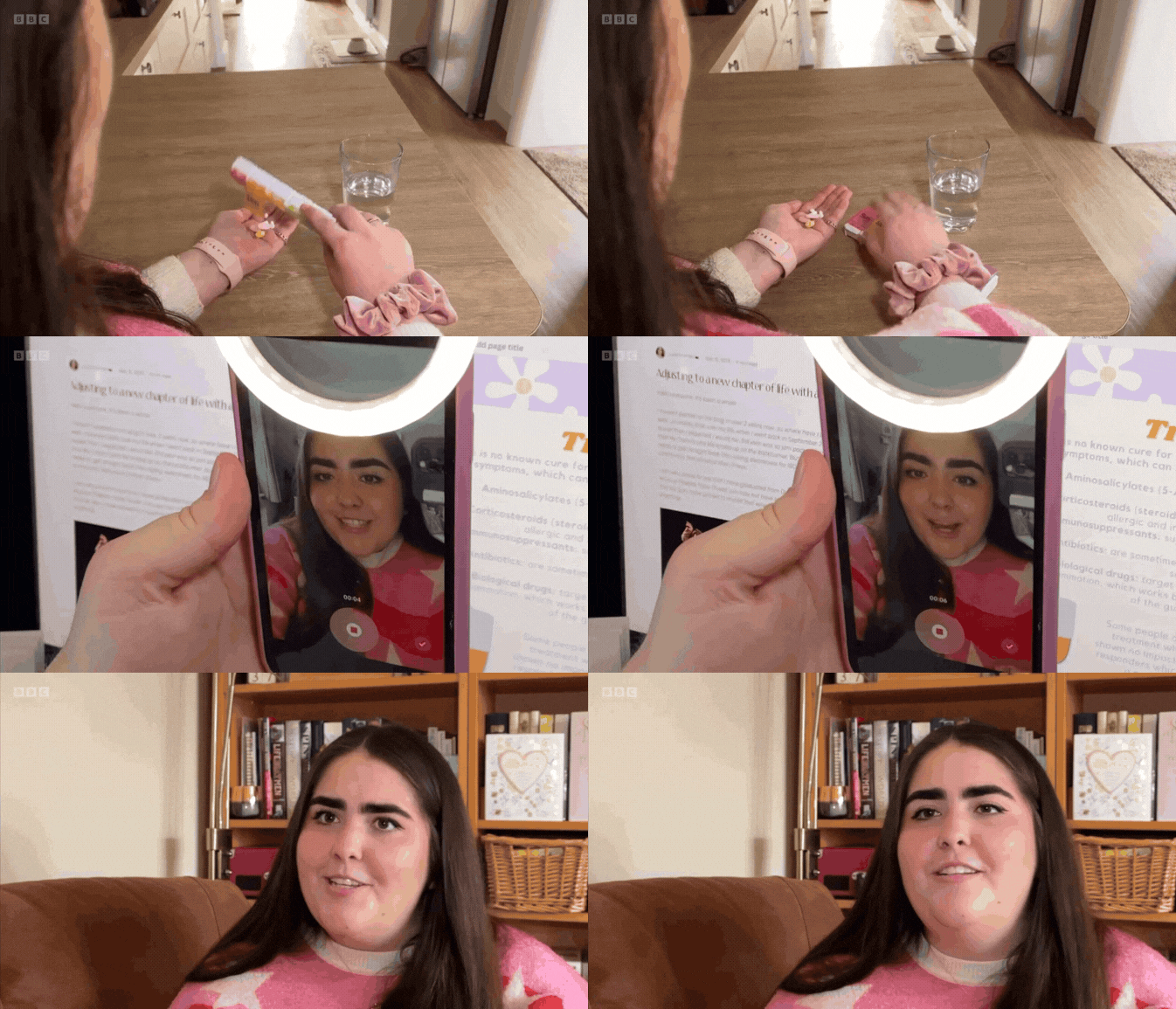
Share Your Story: Empower Others Living with Chronic Illness
Storytelling inspires, connects, and empowers. Share your journey to raise awareness, offer hope, and help others feel less alone.
Your story could be featured on My Crohn's and Me to spread positivity and understanding. We’d love to hear from you!